

Systems That Handle High-Volume Stormwater Flow
Commercial Drainage in Nashville for buildings and sites requiring roof drain systems and storm drain infrastructure
A single inch of rain on a 20,000-square-foot commercial roof produces over 12,000 gallons of water that must move off the building and away from foundations without flooding entries, damaging landscaping, or overwhelming municipal storm sewers. Roof drains collect water from low points on flat or gently sloped roofs, channeling flow through vertical leaders into underground storm drain systems that convey it to detention basins or street inlets. J Industries TN installs commercial roof drains and storm drain systems in Nashville, sizing pipes to handle flow rates calculated from roof area and local rainfall intensity, then routing those lines to discharge points that meet city stormwater requirements.
The work involves coordinating with architects and roofers to locate drains at engineered low points, installing underground piping sloped to maintain velocity that prevents sediment buildup, and connecting to storm drain mains through manholes and catch basins that allow access for future inspection and cleaning. Middle Tennessee's summer thunderstorms can drop two inches of rain in an hour, which means drainage systems must handle peak flows without backing up onto roofs or flooding parking lots.
Arrange a site assessment to evaluate roof drainage requirements and stormwater routing for your commercial property.
Why Commercial Drainage Requires Engineered Design
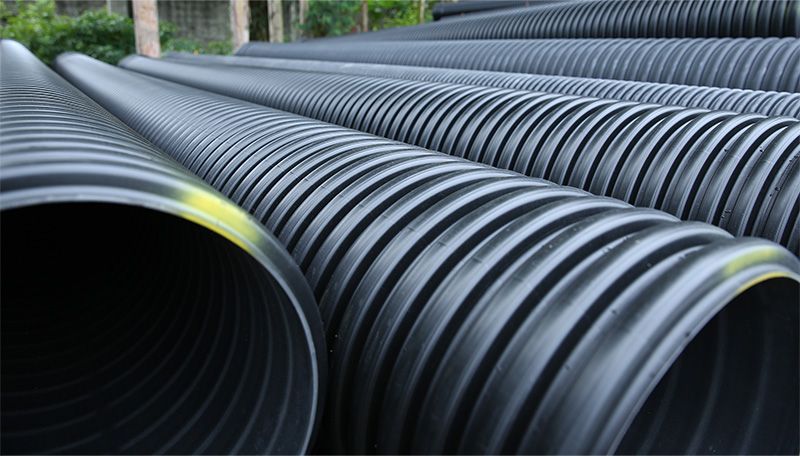
Roof drain installation begins with determining drain locations based on roof slope and area, then running vertical leader pipes inside the building or externally down walls to underground connection points. Underground storm drain piping must be sized using hydraulic calculations that account for roof area, rainfall intensity, and pipe slope—undersized pipes back up during heavy rain, while improperly sloped lines allow sediment to settle and gradually reduce capacity. Catch basins collect runoff from parking lots and drives, with grates and inlet designs chosen to capture surface water while blocking debris that would clog downstream pipes.
After installation completes, water disappears from roof surfaces during rain events rather than pooling or overflowing scuppers, and parking lot runoff flows toward catch basins without creating standing water in drive lanes or near building entrances. Storm drain systems maintain flow velocity that carries leaves and sediment through to discharge points rather than allowing accumulation that gradually chokes pipes. Manholes at pipe junctions provide access points where cameras can inspect line condition and cleaning equipment can clear blockages without excavating.
Systems often include detention structures—underground vaults or surface basins that temporarily hold stormwater before releasing it at controlled rates to prevent overwhelming downstream infrastructure. Nashville's stormwater regulations frequently require detention for new commercial development, with release rates calculated to match pre-development flow conditions and prevent increased flooding on neighboring properties.
What Property Managers Ask About Drainage
Commercial drainage systems represent significant infrastructure investments with long-term maintenance implications, raising questions about design requirements, material selection, and how systems perform under various weather conditions.
What causes roof drains to overflow during storms?
Overflow typically results from undersized drains for the roof area, clogged strainers blocking water entry, or backed-up underground piping that can't convey flow away fast enough. Nashville's intense summer storms can produce rainfall rates that exceed poorly designed systems' capacity, causing water to pond on roofs and potentially enter buildings through seams or penetrations.
How often do storm drain systems require maintenance?
Catch basins need periodic cleaning to remove sediment and debris that accumulate over time, typically annually or after major storms. Underground pipes benefit from camera inspection every few years to identify root intrusion, joint separation, or sediment buildup before problems cause surface flooding or backups.
Why do some parking lots flood while others drain quickly?
Flooding occurs when catch basin capacity can't handle runoff from the contributing pavement area, when grading directs too much water to a single inlet, or when underground pipes become restricted by debris or structural failures. Proper systems distribute collection points across the site and size piping to convey peak flows.
What's the difference between roof drains and scuppers?
Roof drains actively collect water through grates or strainers at roof low points and pipe it to underground drainage, while scuppers are overflow openings at roof edges that prevent ponding beyond design depths. Both serve drainage functions, but scuppers discharge directly off the building rather than into controlled piping.
How are storm drain systems connected to city infrastructure in Nashville?
Connections to municipal storm sewers require permits and inspections, with tie-in locations and methods coordinated with Metro Water Services. Detention may be required before discharge to limit flow rates, and connections must include structures that prevent sediment from leaving private property and entering public systems.
J Industries TN designs and installs commercial roof drain and storm drain systems sized for Middle Tennessee rainfall intensity and local stormwater regulations. Contact us to review drainage challenges and infrastructure options for your commercial site.