

Systems That Handle Wastewater Without Failure
Septic Systems in Murfreesboro for properties needing reliable wastewater treatment when municipal sewer access is unavailable
J Industries TN provides septic system repairs and new installations for residential and commercial properties throughout Murfreesboro. You need this service when your current system shows signs of failure—slow drains, sewage odors near the drain field, or standing water above the tank—or when building on land without access to city sewer lines. Middle Tennessee's clay-heavy soil and seasonal water table fluctuations require careful system sizing and placement to avoid premature failure.
The service addresses wastewater treatment on properties where centralized sewer systems are not available. A properly functioning septic system separates solids from liquids in an underground tank, then distributes effluent through a drain field where soil bacteria complete the treatment process. When components fail—whether due to age, root intrusion, or improper maintenance—you lose the ability to safely process household or business wastewater.
Schedule a property evaluation to determine whether your system requires repair or full replacement based on current performance and site conditions.
What Proper Septic Installation Requires
New installations begin with a site evaluation that examines soil percolation rates, water table depth, and distance requirements from wells and property lines. The tank size is calculated based on building occupancy and daily water use—residential systems typically range from 1,000 to 1,500 gallons, while commercial installations require larger capacity and more extensive drain fields. Proper installation includes excavation to precise depth, placement of the tank on a gravel base for stability, and construction of drain field trenches with perforated distribution pipes surrounded by clean stone aggregate.
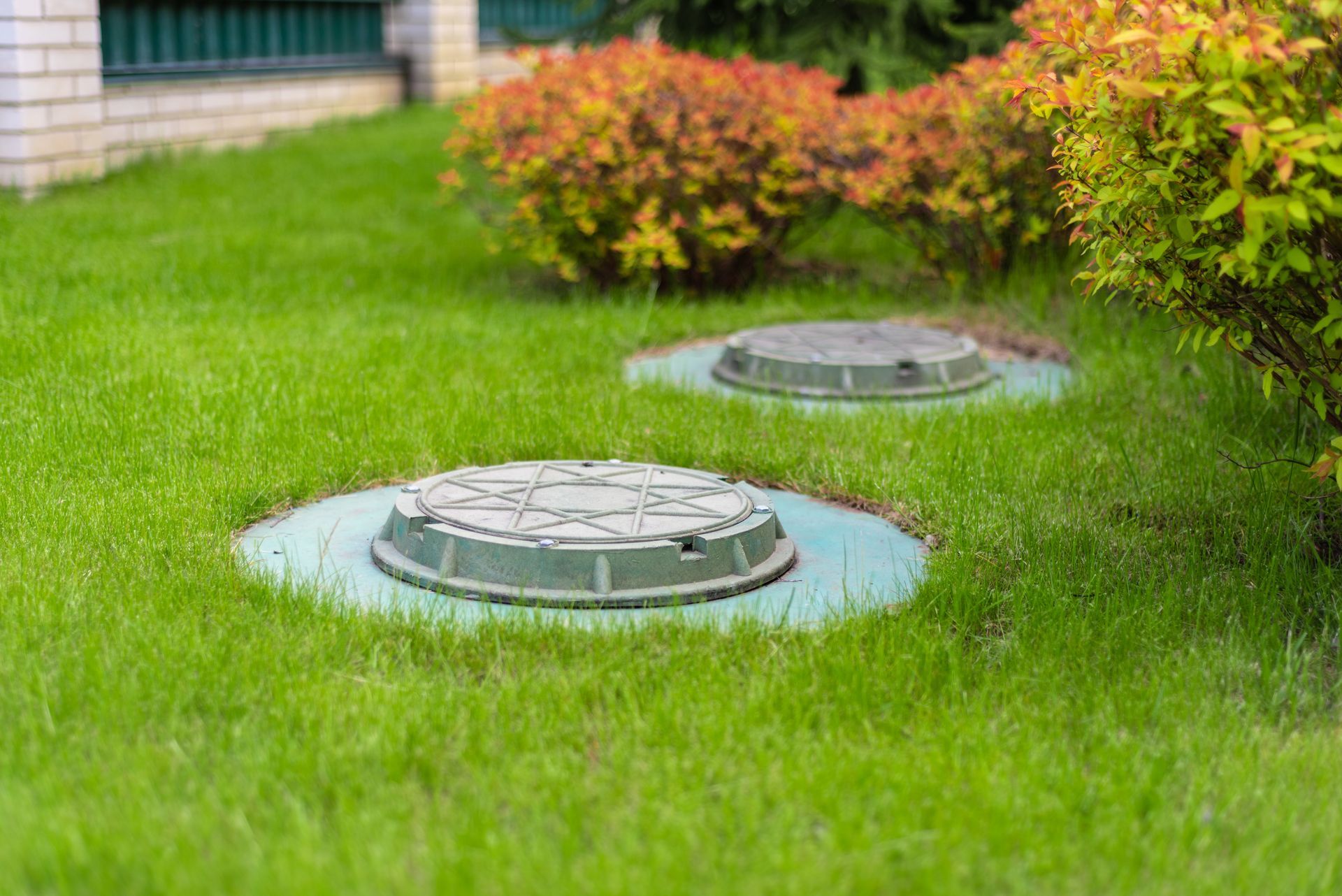
After installation, you'll notice wastewater drains normally throughout the property, with no slow fixtures or backups. The drain field remains dry on the surface, with grass growing normally above it. Septic systems installed to correct specifications operate without odor, surface water, or drainage issues for decades when maintained on a regular pumping schedule. J Industries TN sizes systems to match your property's usage patterns and soil conditions, preventing the undersizing that leads to early failure.
Repairs address specific component failures rather than replacing the entire system. Common repair needs include damaged baffles inside the tank, broken distribution boxes, or saturated drain field sections caused by excessive water use or improper initial installation. The repair approach depends on which component has failed and whether the system can return to full function with targeted fixes.
What Property Owners Usually Ask
Questions about septic systems often focus on performance expectations, maintenance requirements, and what determines whether repair or replacement makes sense for a failing system.
How do I know if my septic system needs repair or replacement?
Repairs work when the tank itself remains structurally sound and the drain field soil has not become saturated beyond recovery. If wastewater backs up only during heavy use, a repair may restore function. If the drain field stays wet constantly or the tank has cracked walls, replacement becomes necessary.
What affects the size of septic system my property needs?
Tank capacity is determined by building square footage and the number of bedrooms or occupants, which predicts daily wastewater volume. Commercial properties require calculations based on employee count, customer traffic, and the type of business operations generating wastewater.
How does Murfreesboro soil affect septic system performance?
Clay soils common in the area drain slowly, requiring larger drain fields to allow adequate time for effluent absorption. Soil tests performed during the permitting process determine the required drain field size and configuration based on percolation rates measured on your specific site.
What maintenance does a septic system require after installation?
Tanks require pumping every three to five years to remove accumulated solids that do not break down. Avoiding excessive water use, not flushing non-biodegradable materials, and keeping heavy vehicles off the drain field prevent premature system failure.
When should I schedule a new septic installation?
New installations are required when building on undeveloped land without sewer access, or when an existing system has failed beyond economical repair. Permitting and site preparation work best during dry months when soil conditions allow accurate testing and easier excavation.
J Industries TN handles both emergency repairs for failing systems and planned installations for new construction across residential and commercial properties in Murfreesboro. Request an on-site assessment to determine the appropriate system size and configuration for your property's soil conditions and wastewater volume.