
Professional Site Development for Large-Scale Projects
Commercial Services in Nashville for businesses requiring comprehensive site preparation and infrastructure systems
Commercial properties face infrastructure demands that residential work rarely encounters: coordinated utility installations, engineered drainage systems capable of handling acres of impervious surface, and fire suppression lines that must meet strict municipal codes. J Industries TN handles the full scope of commercial site work in Nashville, from initial grading that establishes proper drainage flow across parking lots and loading areas to underground utility systems that support business operations. The work requires equipment scaled to move significant earth volumes and crews experienced in coordinating with inspectors, engineers, and project managers on tight construction timelines.
Commercial site development involves services that residential contractors rarely perform: mass grading to establish building pads and stormwater flow patterns, utility trenching deep enough for commercial water and sewer mains, installation of roof drain systems that channel thousands of gallons off large buildings, and underground fire water lines installed to exact specifications for sprinkler system pressure requirements. Each service requires understanding how commercial codes differ from residential standards and how to sequence work so that concrete crews, electricians, and other trades can proceed without delays.
Request a project consultation to review site plans and infrastructure requirements for your commercial development.
What Commercial Site Work Actually Involves
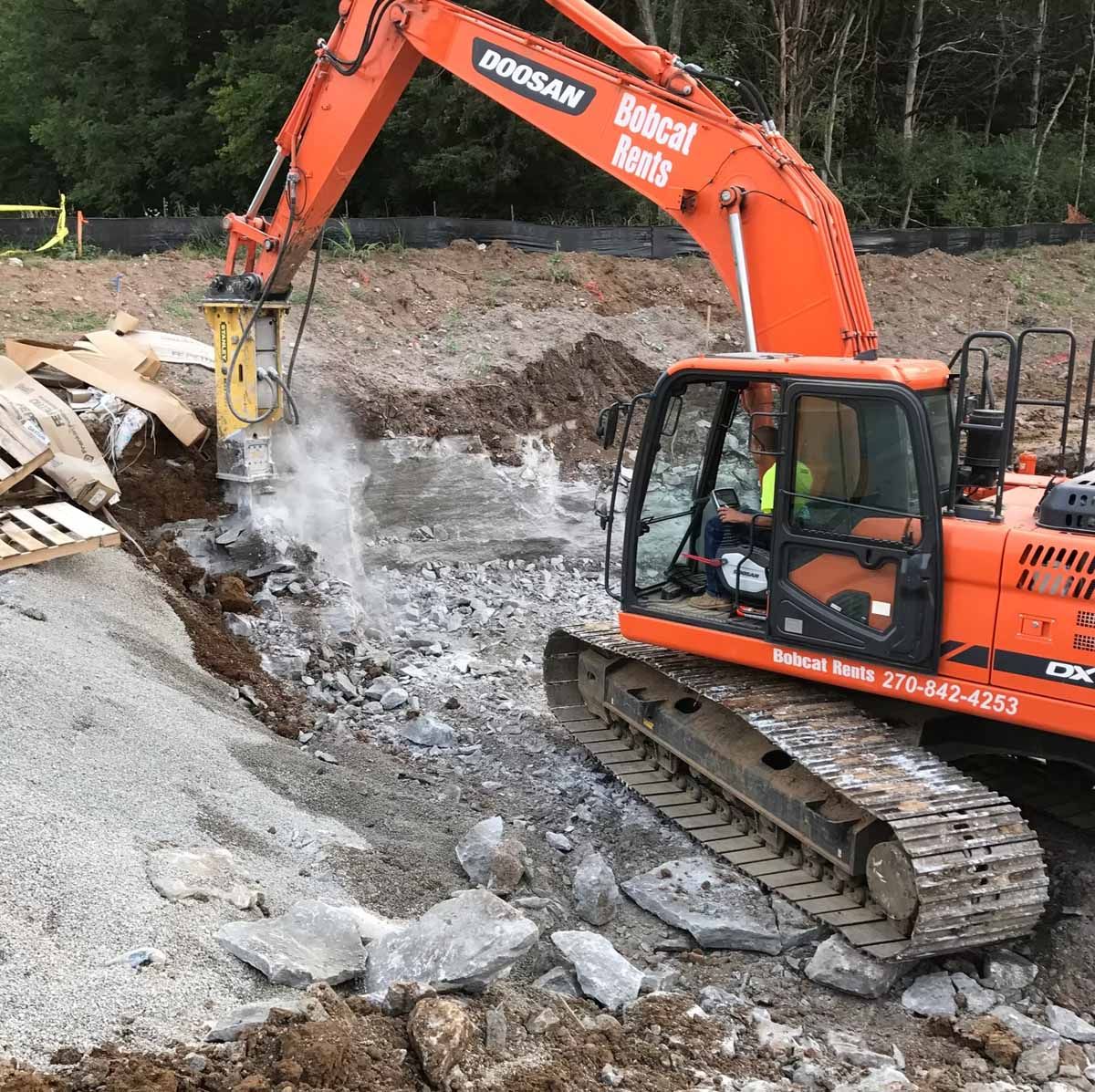
Commercial grading establishes the foundation for everything else on a site, shaping drainage patterns across parking areas, loading zones, and building footprints before any paving or construction begins. The process uses laser-guided equipment to match engineered elevations within fractions of an inch, ensuring stormwater flows toward collection points rather than pooling near building foundations or creating standing water in drive aisles. Soil compaction testing occurs at intervals specified by project engineers, with density measurements verified before crews move to the next phase.
Once grading establishes proper site elevations, you notice that water moves predictably during rain events, flowing toward storm drains and roof drain tie-ins rather than creating muddy areas or erosion channels. Utility trenches for water, sewer, and electrical lines are excavated to depths that protect pipes from surface loads and freeze-thaw cycles, with bedding material installed to prevent settlement that could crack joints years later. Underground fire water lines follow routes coordinated with sprinkler system designers, maintaining required depths and pressure ratings throughout the installation.
J Industries TN coordinates each phase with inspectors and engineers, scheduling required tests and pressure checks before backfilling trenches. Projects proceed in sequence: rough grading first, then underground utilities, followed by roof drain and storm drain installations that connect to the stormwater management system. Final grading adjustments occur after utilities are covered, preparing surfaces for paving or landscaping crews.
Questions About Commercial Site Services
Commercial projects involve multiple inspections and coordination points that differ significantly from residential work, with specific questions arising about scheduling, testing requirements, and how various trades interact on active job sites.
What distinguishes commercial grading from residential grading work?
Commercial grading moves far greater soil volumes and works to tighter elevation tolerances, typically within hundredths of a foot rather than inches, using GPS-guided equipment that follows engineered site plans. The work establishes drainage patterns for acres of impervious surface rather than single-lot residential yards, requiring calculations for stormwater detention and flow rates.
How are underground utilities coordinated on commercial sites?
Water, sewer, electrical, and fire lines are installed in a specific sequence based on depth and location, with each utility placed at engineered elevations and tested before backfilling. Crews locate existing utilities before excavation and maintain required separation distances between different line types to meet code and prevent future conflicts.
What makes commercial drainage systems more complex than residential?
Commercial roof drains and storm drains handle flow rates measured in hundreds of gallons per minute during heavy rain events, requiring pipe sizing and slope calculations that account for Nashville's intense summer storms. Systems often include catch basins, manholes, and detention structures that slow runoff before it reaches municipal storm sewers.
Why do commercial fire water lines require licensed installation?
Fire suppression systems depend on specific pressure and flow rates at sprinkler heads, which means underground supply lines must be sized correctly, installed at proper depths, and pressure-tested to verify they'll deliver required water volume during emergencies. Licensing ensures installers understand fire codes and testing protocols.
When do inspections occur during commercial site work?
Inspections happen at multiple stages: after rough grading but before utility installation, during utility trenching before backfill, after pressure testing water and fire lines, and following final grading before paving. Each inspection must pass before the next phase begins, which is why scheduling and communication matter on commercial timelines.
J Industries TN manages the full sequence of commercial site services, coordinating grading, utilities, drainage, and fire water installations from initial earthwork through final inspections. Schedule a site meeting to discuss project timelines and infrastructure requirements specific to your commercial development.